
Spring Home Maintenance: Are Your Windows and Doors Ready?
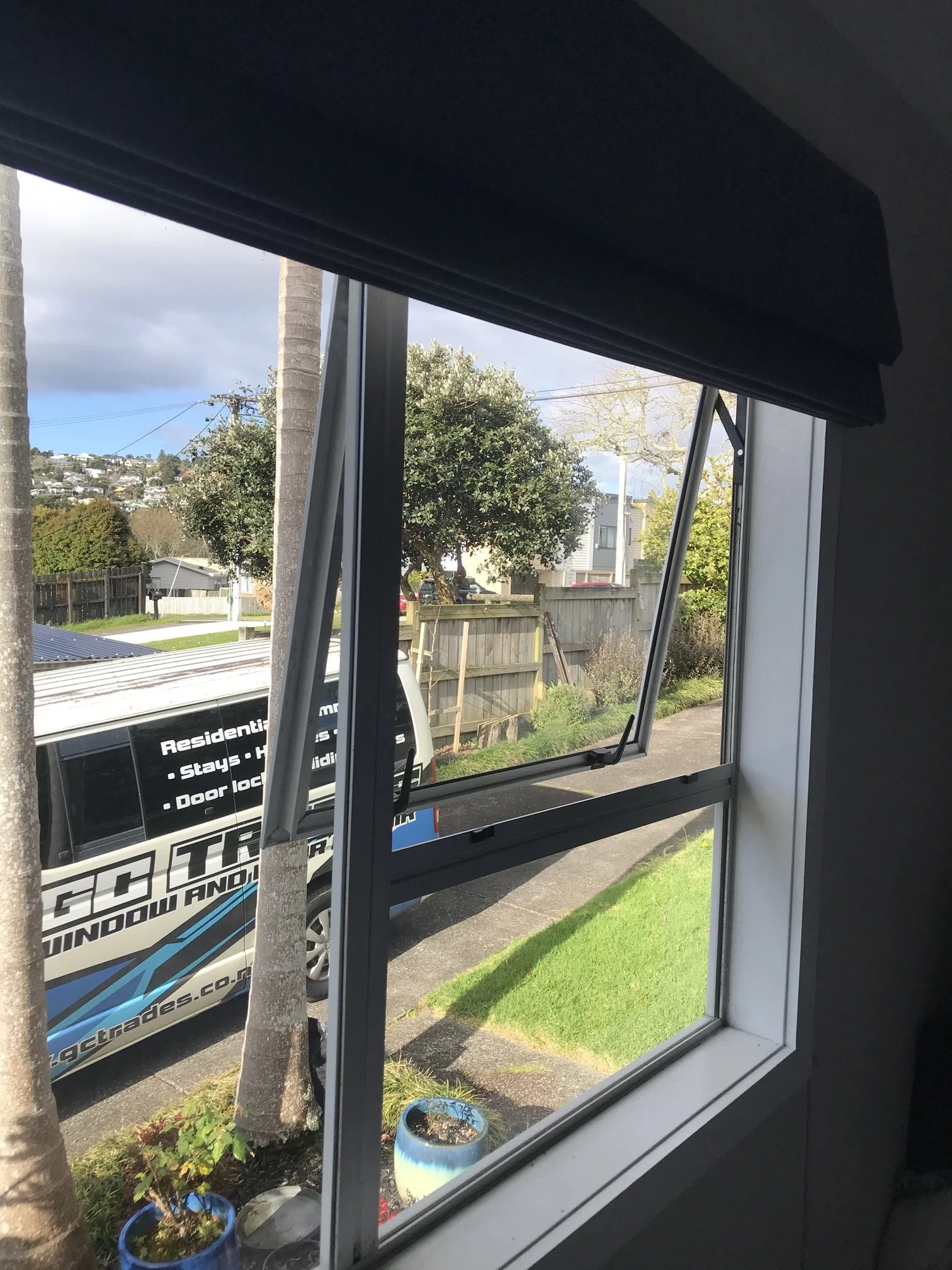
Spring is the perfect time to open the windows, let fresh air into your home and take care of the maintenance jobs that were easy to overlook during winter.
Months of rain, wind and colder temperatures can expose weaknesses in window and door hardware. Hinges may become stiff, seals can wear out, sliding-door tracks can collect debris and timber may show signs of moisture damage. A simple spring inspection can help you catch these problems early and keep your home comfortable, secure and well ventilated.
Why Check Your Windows and Doors in Spring?
Windows and doors are used more frequently as the weather becomes warmer. If they are difficult to open, do not close properly or have damaged hardware, the extra use can make the problem worse.
Spring maintenance can help:
Improve fresh-air ventilation
Reduce unwanted draughts
Make windows and doors easier to operate
Keep locks and latches working securely
Identify moisture or timber damage after winter
Prevent unnecessary strain on handles, hinges and rollers
1. Open and Close Every Window
Check each opening window in your home, including those in spare bedrooms and less frequently used areas. The window should open smoothly, stay in position and close firmly against the frame.
Watch for:
Stiff or difficult movement
Loose, bent or rusted friction stays
Handles that are difficult to turn
Latches that do not engage correctly
Gaps between the sash and frame
Windows that will not remain open
Avoid forcing a stiff window. This can damage the handle, latch or hinges and may turn a minor adjustment into a larger repair.
2. Inspect Seals for Gaps and Wear
Window and door seals help reduce draughts and limit water entry. Over time, seals can flatten, shrink, split or come away from the frame.
Run your hand around a closed window or door and check whether you can feel air coming through. Look for loose seals and visible gaps around opening panels. In some cases, the hardware or alignment may need attention as well as the seal itself.
Applying extra sealant is not always the right solution. Drainage openings and other functional gaps should not be blocked, so it is important to identify the source of the problem first.
3. Clean Sliding-Door Tracks
Sliding-door tracks collect dust, dirt, pet hair and outdoor debris. This can make the door difficult to move and interfere with the track’s drainage system.
Vacuum loose debris and wipe the track clean. Check that visible drainage openings are clear, but do not enlarge or alter them unless the joinery has been properly assessed.
If the door feels heavy, uneven or noisy after cleaning, the rollers may be worn or require adjustment. Continuing to force the door can place extra pressure on the handle and lock.
4. Check Locks, Handles and Latches
Test every lock, handle and latch. Doors and windows should close securely without needing to be lifted, pushed or slammed into position.
A lock that does not line up properly may be a sign that the panel has dropped, the hinges or rollers are worn, or the frame has moved. Adjusting only the striker or latch may not solve the underlying alignment problem.
Do not forget entrance doors, ranch sliders, bifold doors and windows that may be important for ventilation or security.
5. Look for Signs of Timber Damage
Spring is a good time to check timber windows and doors for damage caused by winter moisture.
Look closely at sills, corners, joints, jamb ends and the bottom of exterior doors. Warning signs include:
Peeling or bubbling paint
Dark staining or persistent dampness
Cracked putty or open joints
Soft, swollen or crumbling timber
Windows or doors that stick after wet weather
Keeping painted surfaces in good condition helps protect timber from moisture. Small areas of decay may sometimes be repairable, while widespread or structural damage may require partial or full replacement.
6. Check Door Closers and Hinges
Commercial entrance doors, fire and smoke doors, and doors fitted with hydraulic closers should operate smoothly and close as intended. Do not wedge these doors open or adjust safety-related hardware without the appropriate knowledge.
If a door is slamming, scraping, failing to latch or no longer closing by itself, arrange an inspection. The issue may involve the closer, hinges, alignment, lock or surrounding frame.
7. Clear the Area Around Exterior Joinery
Trim plants away from windows and doors, remove debris from sills and make sure water is not collecting against exterior frames. Check that nearby gutters, downpipes and surface drainage are functioning properly.
Water appearing near a window or door is not always caused by the joinery. It may come from roofing, cladding, flashings or surrounding drainage, so recurring leaks should be assessed carefully.
When to Arrange a Professional Repair
Contact a window and door repair specialist if you notice:
A window or door that is difficult or unsafe to operate
Recurring water entry or dampness
Large gaps or ongoing draughts
Broken, loose or badly corroded hardware
Sliding doors that are heavy or coming off track
Locks that no longer align or secure properly
Soft or rotten timber
Cracked or broken glass
A door closer that is not operating correctly
Repairing worn hardware or alignment problems early can help prevent damage to other components and extend the useful life of your existing joinery.
Window and Door Repairs Across Auckland
GC Trades provides professional window and door repair and installation services throughout Auckland. We work with aluminium, timber joinery and can assist with:
Window stays, hinges, handles and latches
Sliding and bifold-door rollers, locks and alignment
Draughts, gaps and worn seals
Timber window and door repairs
Broken glass replacement
Hydraulic door closers
Fire and smoke door maintenance
Window and door installation
Give your windows and doors a fresh start this spring. Contact GC Trades to arrange an assessment or request a quote.
